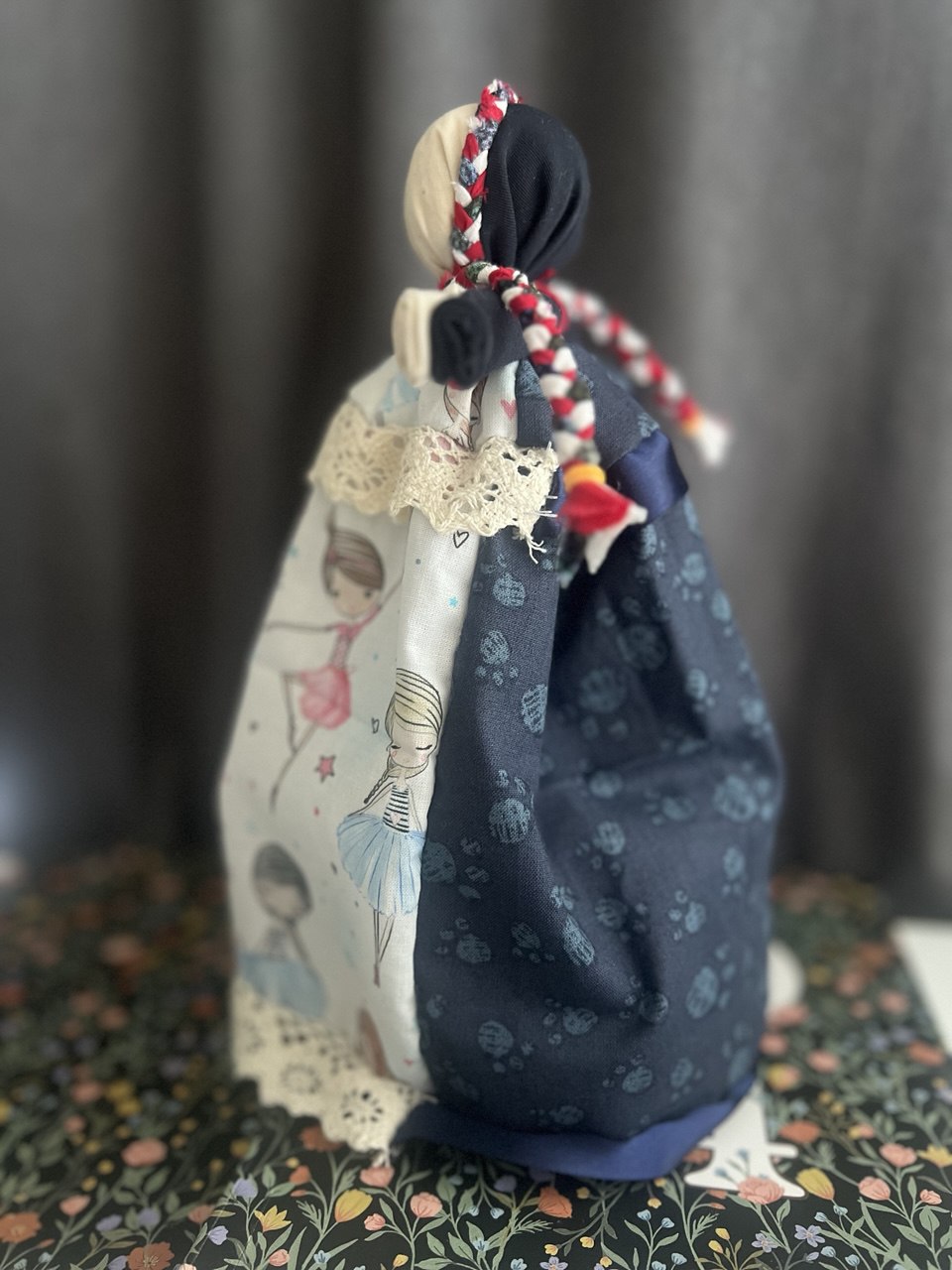
Self-acceptance is not just a virtue, because it is an anchor. It steadies us through moments of change, through self-inquiry, and through the layered unfolding of who we are. Especially in tender times of searching for clarity, for identity, and for belonging, the practice of accepting ourselves fully becomes essential. We must accept both our light and our dark.
Carl Jung gave us the language of the Shadow, which represents the hidden parts of ourselves we reject or repress. Though uncomfortable, this inner darkness holds not only the roots of our fear and shame, but also untapped power, vitality, and creativity.
Self-acceptance is not a final destination, but a lifelong path. It is often the first quiet step toward healing, growth, and inner stability. The more we befriend our own darkness, the more perceptive, grounded, and whole we become. We become less naïve in the face of life's complexities, and more deeply attuned to our own truth.
I remember a moment when I was absolutely not ready to talk about my own Shadow. It was more than ten years ago, during my psychology studies in Kyiv. One day, in a lecture on the unconscious, our professor casually dropped this remark: "Some women are like Alice in Through the Looking Glass, lost, aimless, always searching for something."
Something inside me tightened. Her tone was dismissive, almost mocking, and it struck a chord I couldn't yet name. Because, honestly, that was me. I was searching for meaning, for clarity, and for some version of myself that made sense. My inner Alice flinched, straightened her imaginary bow, and whispered: "Please don't out me..."
Later, during the break, our group was asked to name a favorite childhood story or character we identified with. I couldn't say "Alice." Even though that story had lived in my heart since childhood, I felt too exposed. So I made something up. I chose something safe, something not quite true. But my voice gave me away.
One of my classmates, a smart and gentle girl, tilted her head and asked softly: "Really? That's your favorite?" She didn't believe me. And she was right not to, because the truth is that I loved Alice. I always had.
It was one of the few books I truly cherished as a child growing up in the Soviet Union, where good books were rare and precious. My mother gave it to me, and I read it with wide-eyed wonder. I loved Alice's curiosity, her confusion, and her quiet bravery as she wandered through bizarre and unpredictable worlds. I memorized the nonsense poems, let the surreal imagery take root, and carried her strange, questioning spirit inside me.
But in that classroom, I felt shame. It felt as if identifying with Alice meant admitting that I, too, didn't know where I belonged. It felt as if I was lost or unfinished, like a girl in-between. Even though I was already a grown, educated woman, and a mother of three, in that moment, I still felt vulnerable and unseen.
I felt that if I told the truth, I would be judged, dismissed, or maybe even quietly ridiculed. Someone in authority, someone deeply respected, had already decided what kind of woman Alice represented. And by extension, they decided what kind of woman I must be if I resonated with her. And I was right. Not every space is safe for opening up, even when you're surrounded by people with education and credentials. Even there, it's possible to feel the sting of being misunderstood. Or worse, unseen.
Over the years, I've returned to the theme of the Shadow again and again. With each new season of life, I do it with more depth and with less fear. When we revisited this topic during my studies at VATI, I was no longer afraid to write about the parts I once hid. The film characters I couldn't stand, the ones I was ashamed to see myself in, I could name them now. I could claim them.
I've come to understand that this theme will never lose its relevance. I continue to look into my own shadow. And each time, I discover something new. It is not just discomfort or shame, but unexpected wells of strength, of insight, and of renewal.
This process is not always gentle. Sometimes it stirs inspiration. Other times, it shakes me to the core. But in those moments, doll-making becomes my refuge.
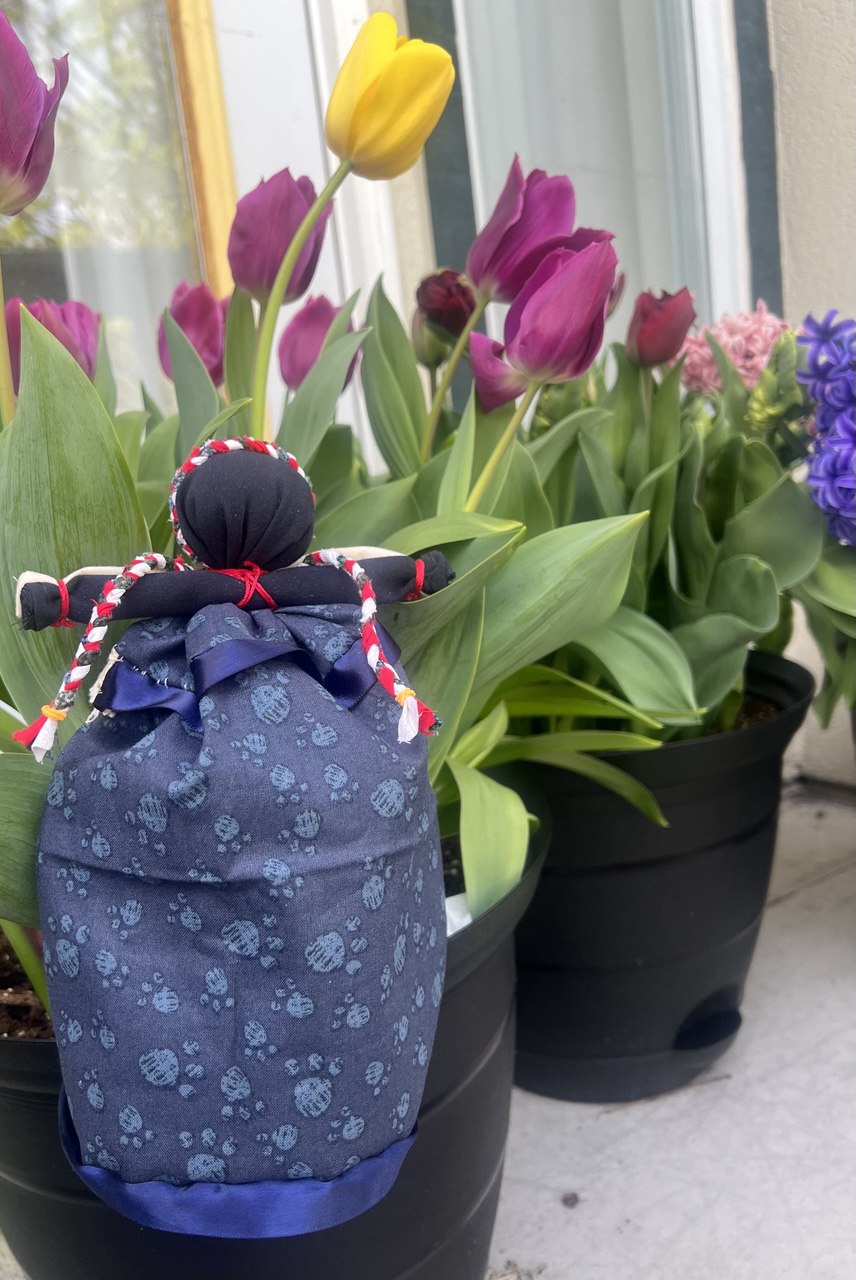
Through creating a Shadow Doll, I touch a part of myself that longs to be seen. This happens not through words, but through gesture, through texture, and through silence.
Each doll is different. Each one is born from a question: What shadow wants to speak right now? What in my life is asking for attention, tenderness, acknowledgment?
These are not toys. They are messengers. And I am learning not to turn away, but to listen. Because somewhere deep in the dark, the light begins to grow.
Have you ever met your Shadow? Not the one cast in sunlight, but the one that quietly lives within, in the uncomfortable emotions, the hidden desires, and the traits we refuse to claim as ours. Are you ready to take a closer look, not to judge yourself, but to understand? Are you ready not to fear what you find, but to uncover a strength that's been waiting in the dark?
It is often at the very edge of our vulnerability that we discover our deepest inner resources, which are the ones that make real transformation possible.
I invite you on an inner journey into a safe, confidential space where there is no need to perform or pretend. It is a place where you are allowed to be soft, to be different, and to be fully yourself. This is a space where every emotion is welcome, and where the act of turning inward becomes the first step toward healing, empowerment, and feeling fully alive.
I invite you to therapy. If you feel ready to explore this path with me, feel free to reach out directly.
I offer a safe and nurturing space, a place where the quiet vibrations of the soul are felt, honoured, and never rushed. My approach is gentle and respectful, holding deep reverence for your unique process.
Sessions are held online, so you can join from wherever you feel most comfortable.