In Art Therapy
- The process of creating is more important than the final result
- There is no right or wrong way to use materials
- The focus is on self-expression and personal exploration
- The artwork may help communicate thoughts or emotions
Art therapy offers another language for exploring life's experiences — a language of images, symbols, and creative expression.
As a form of psychotherapy, it takes place in the presence of a qualified art therapist, using art-making to engage with thoughts, emotions, and personal stories. Through drawing, painting, or working with simple materials, people can often find ways to express what is difficult to put into words.
You do not need any artistic skills or previous experience. The focus is not on making a “perfect” artwork, but on reflection, discovery, and a clearer understanding of yourself.
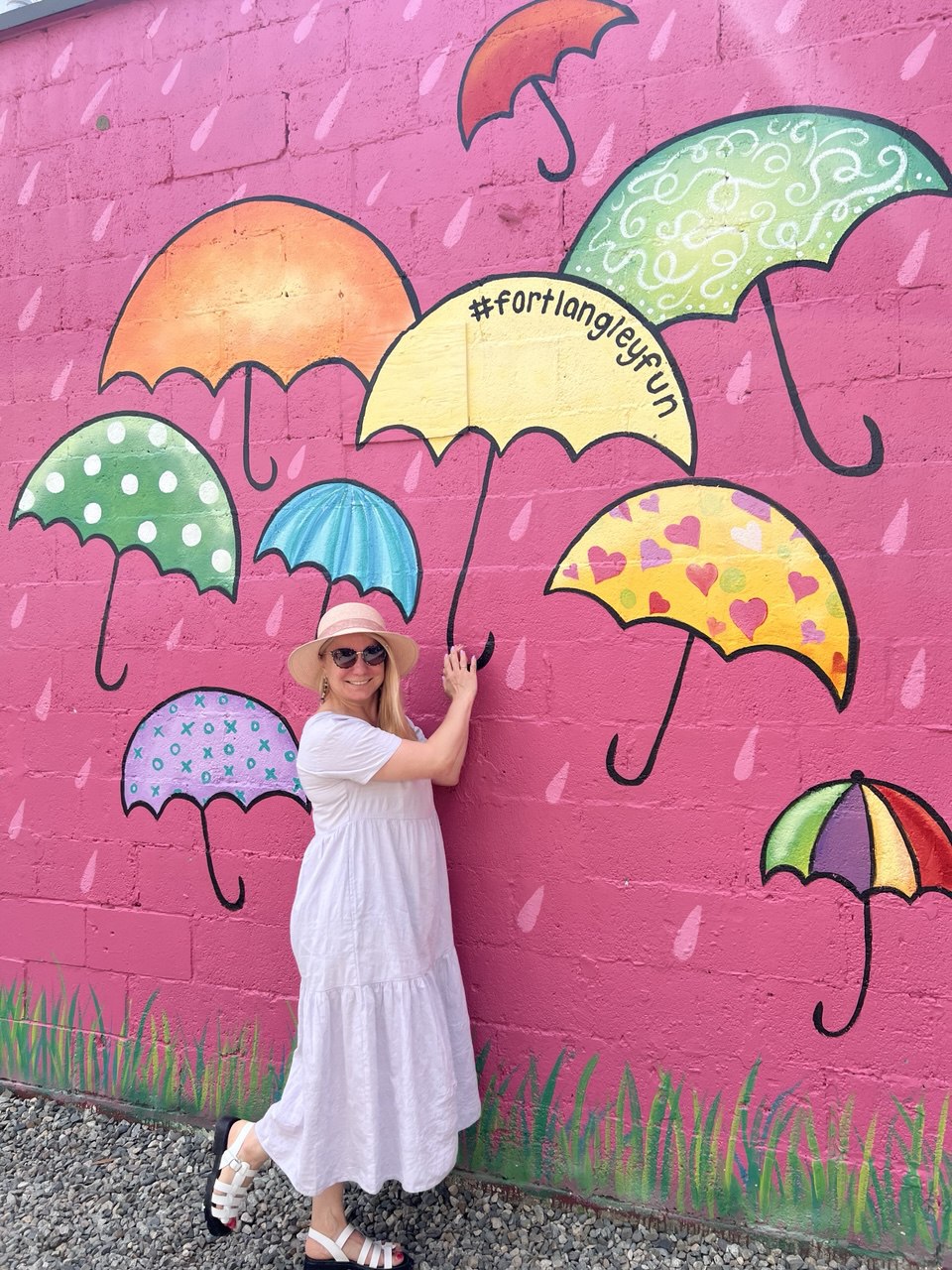
In an art therapy session, art materials are used alongside conversation. Depending on your needs, a session may focus more on dialogue, or it may include exploring drawings, simple objects, or symbolic images.
Art therapists do not evaluate artwork for artistic quality. Instead, the image becomes part of a supportive conversation to help you better understand your inner experiences.
The pace of the process is always guided by your comfort. Visual expression can gently open doors to thoughts and feelings that might be hard to reach through words alone.
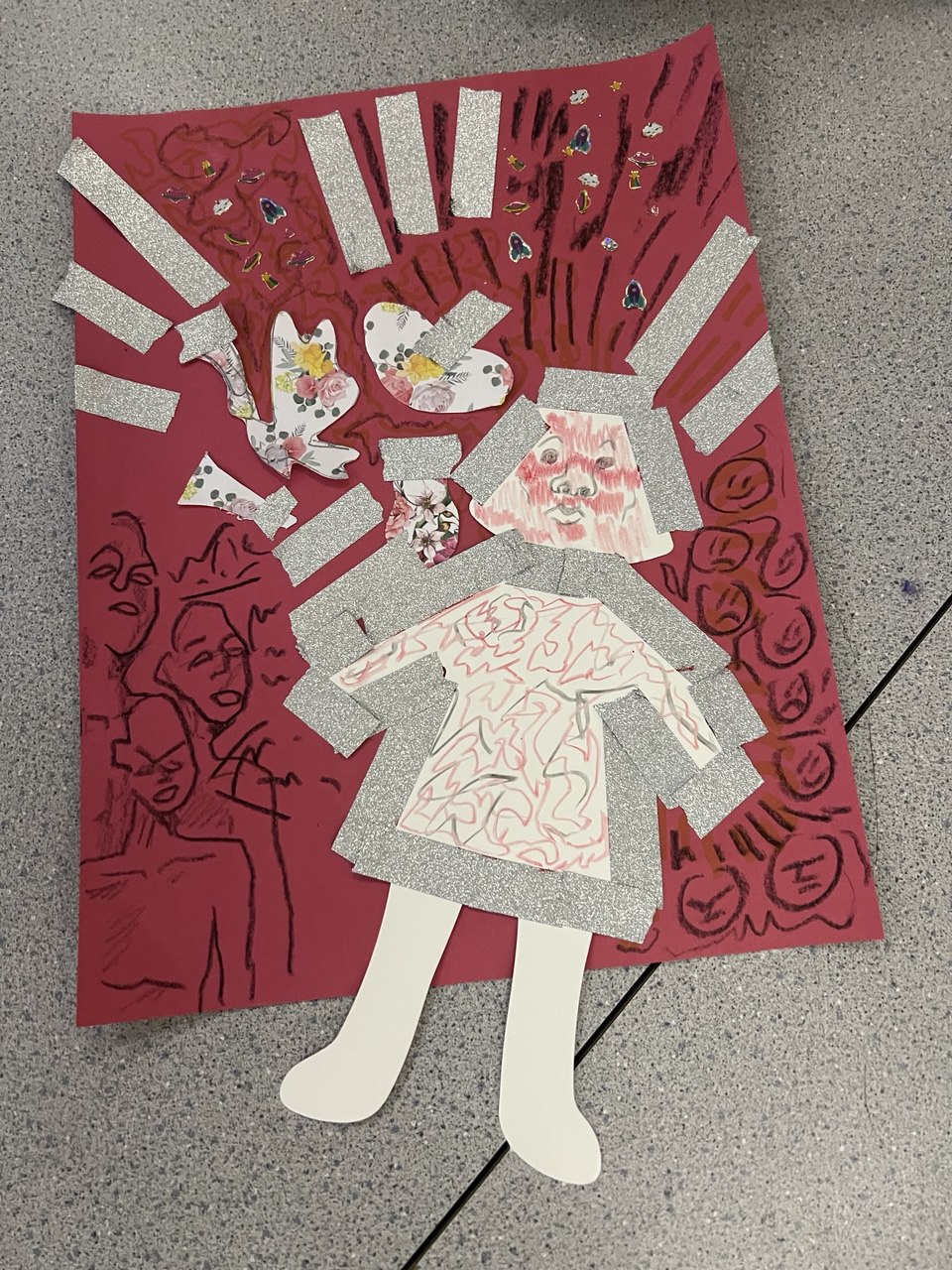
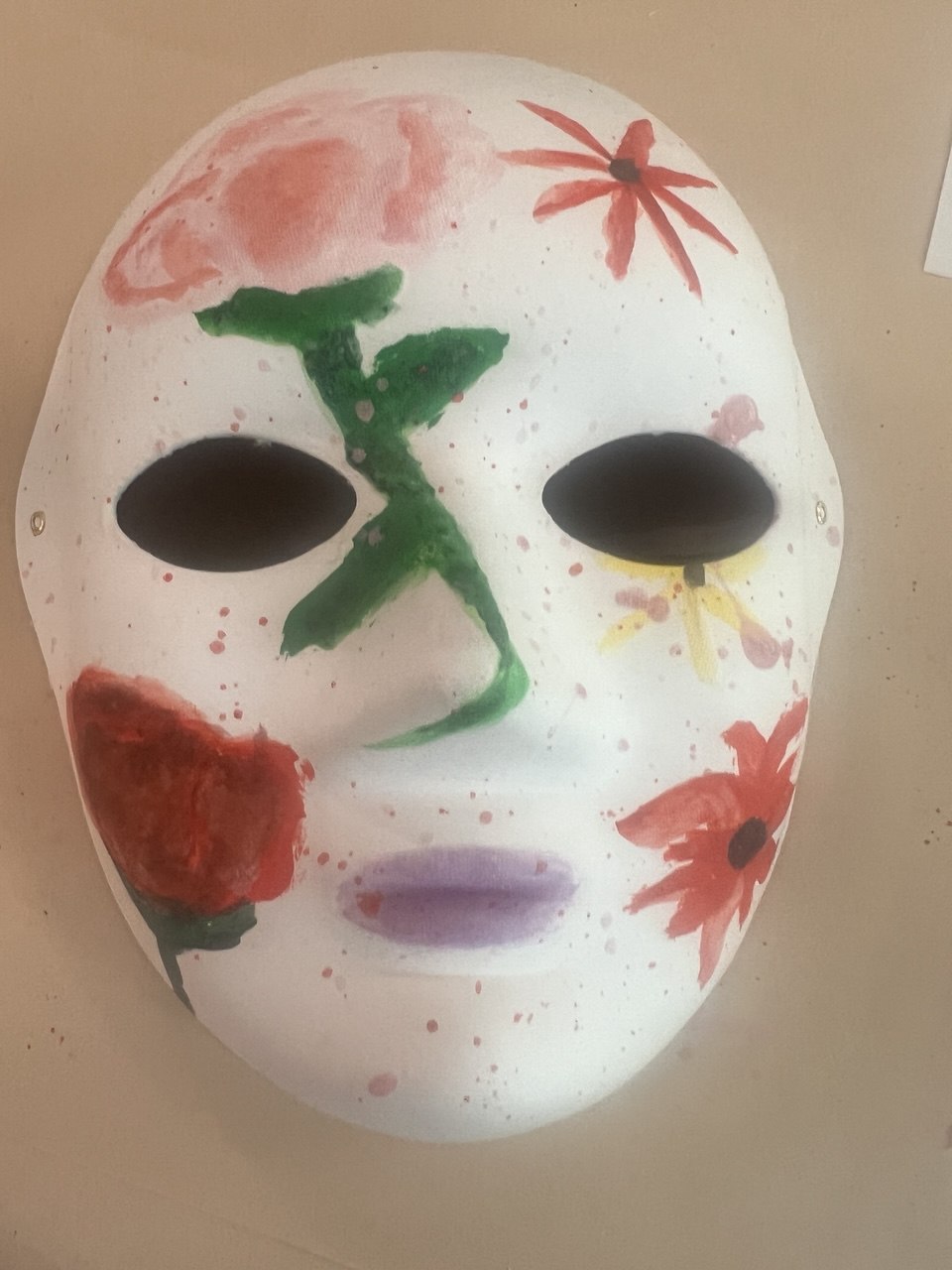
Working with shapes, images, or three-dimensional forms brings personal stories to light in a gentle, non-verbal way.
Art therapy is different from an art class.
Art therapy sessions take place in a safe, confidential, and supportive environment.
Everyone is welcomed exactly as they are.
Thoughts and emotions can be shared freely.
A gentle interest in your inner world.
Room to experiment, play, and try new things.
Steady guidance from the therapist.
Each person’s unique timeline is valued.
Art therapy supports many areas of emotional well-being. Clients often experience:
Creative expression offers a constructive way to process personal stories and make sense of life challenges.
You are welcome to explore what support might look like for you through a complimentary introductory consultation.
Clarity often begins with a single conversation.
With gratitude, I acknowledge that my work in Richmond and Vancouver takes place on the traditional and unceded territories of the Musqueam, Squamish, and Tsleil-Waututh Nations. I honour their history and living presence today.